Lexus V8 Engine for Sale: Quality Motor
Explore High-Quality Engines for Sale: What to Keep in Mind
When seeking quality engines for sale, various critical factors need consideration. Buyers should consider the type of engine that matches their performance needs and fuel preferences. Additionally, understanding the engine's condition and technical specs is important. A detailed evaluation of potential sellers can highlight dependable alternatives. However, the journey extends further. Compatibility with the vehicle is crucial, and budget considerations further challenge the process. What other elements should buyers take into account?
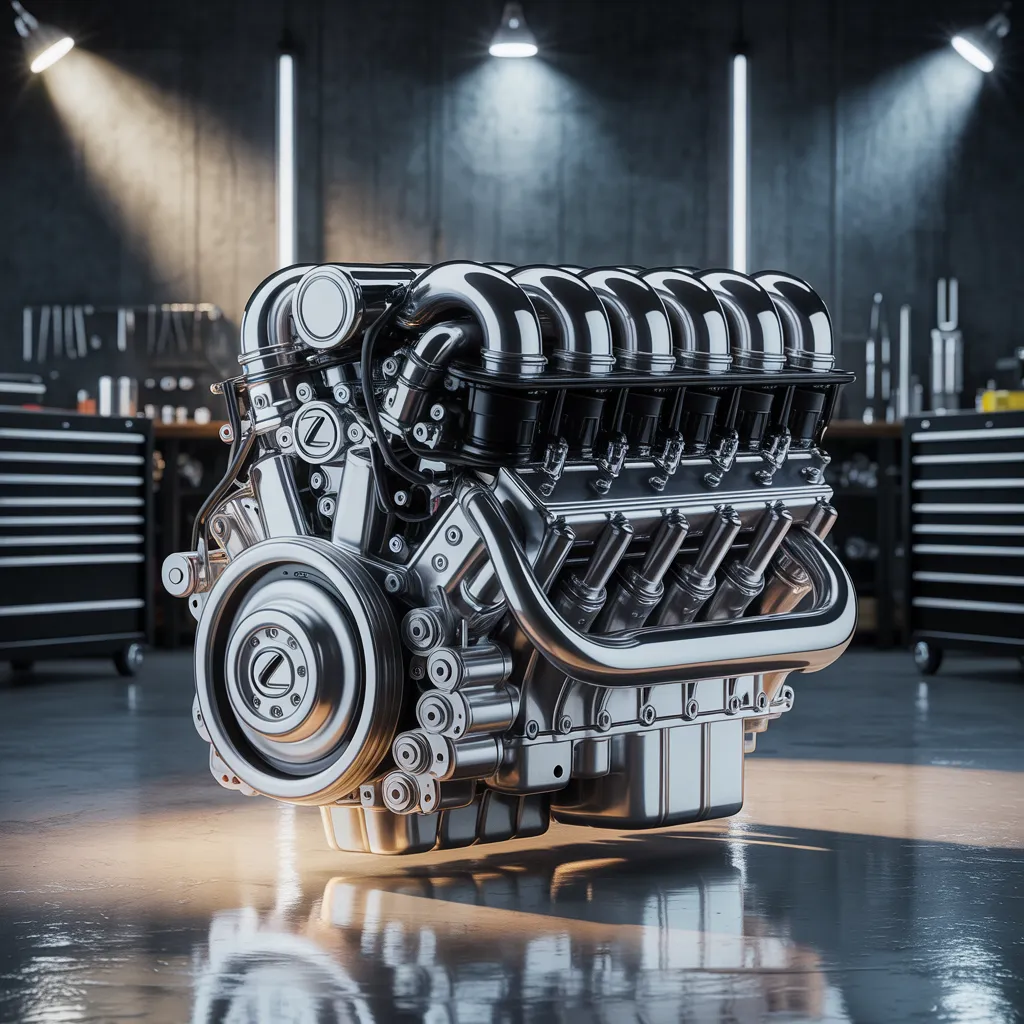
Understanding Distinct Engine Types: Which One Suits You?
When selecting an engine, how does one determine the right type for their needs? Grasping the diverse engine options is vital for reaching a knowledgeable decision. The primary engine categories include gasoline, diesel, and electric variants. Gasoline engines are known for their performance and quick acceleration, making them popular in sports cars. Conversely, diesel engines are praised for their fuel economy and torque output, making them perfect for demanding tasks. Electric powertrains are rising in popularity thanks to their sustainability and reduced maintenance expenses, appropriate for metropolitan travel.
Additionally, factors such as the vehicle's intended use, budget, and personal preference greatly influence the choice. Enthusiasts may focus on horsepower and speed, while others might emphasize longevity and reliability. Finally, understanding these differences allows individuals to choose an engine that corresponds to their specific requirements, ensuring the best performance and satisfaction.
Engine Condition: Brand New, Second-Hand, or Remanufactured?
What's the best way to assess the condition of an engine when thinking about a purchase? The choice between new, used, or remanufactured engines greatly impacts durability and performance. A new engine offers the highest reliability and warranty protection, well-suited for those seeking a new beginning. However, it comes at a significant expense. Used engines can be cost-effective but may carry risks concerning wear and potential hidden issues. Buyers should research the engine's past records, mileage, and any previous repairs to assess its reliability.
Rebuilt engines offer a compromise, delivering components returned to factory specifications, offering a combination of quality and cost-effectiveness. It's vital to source from trustworthy sellers who provide detailed inspections and warranties. Eventually, the decision rests on budget, performance expectations, and the intended application, demanding careful consideration of each engine type's advantages and disadvantages.
Important Engine Specs: Performance, Volume, and Fuel Kind
Comprehending engine specifications is essential for making an informed purchase decision. Important metrics such as power, size, and fuel type significantly influence an engine's performance and suitability for a specific application.
Power is typically measured in kilowatts or horsepower, offering insight into an engine's potential to execute work efficiently. Buyers need to assess their requirements to confirm the engine meets or exceeds necessary power levels.
Dimensions, typically measured regarding displacement (cubic inches or liters), affects both performance and compatibility with existing equipment. A suitable fit is essential for optimal operation and longevity.
Fuel type represents another key factor to consider. Engines may run on gasoline, diesel, or alternative fuels, each presenting specific pros and cons. Recognizing fuel demands can impact operational expenses and environmental implications.
Locating Reliable Sellers: Understanding Who You Can Trust?
What criteria should buyers consider to identify trustworthy engine sellers? Initially, reputation plays an important role; buyers should search for sellers with excellent ratings and customer testimonials. Investigating digital forums and social platforms can give perspective on a vendor's credibility. Next, transparency is vital; reliable vendors should willingly supply comprehensive details about the engine's background, encompassing all repair work and service documentation. Thirdly, warranty offerings are indicative of seller confidence; a comprehensive warranty can indicate a vendor's responsibility for their merchandise. Fourth try this consideration, evaluate the vendor's expertise in the field; experienced businesses are generally more credible than new companies. Finally, effective communication is critical; vendors who reply promptly and address inquiries show expertise and client consideration. By analyzing these elements, buyers can considerably lower the probability of obtaining a defective engine from an undependable source.
Compatibility's Critical Role: Making Sure It Fits Your Vehicle
When acquiring a replacement engine, ensuring compatibility with the vehicle is essential. This involves matching engine specifications to the specific year, make, and model to guarantee optimal performance. Proper fit not only boosts reliability but also prevents potential mechanical issues down the line.
Motor Specs Match
Confirming that engine specifications match is crucial for optimal vehicle performance. Compatibility extends past mere physical dimensions; it encompasses critical factors such as horsepower, torque, and fuel type. An engine's displacement, for instance, directly influences the vehicle's acceleration and efficiency. Furthermore, the type of ignition system and fuel delivery method must correspond to the vehicle's existing setup to avert operational issues. Mismatched specifications can lead to significant consequences, including diminished performance, increased wear, or even catastrophic failure. Thus, thorough research and comparison of specifications are essential when purchasing a replacement engine. Understanding these details not only ensures optimal functionality but also prolongs the lifespan of the vehicle, providing peace of mind for the owner.
Vehicle Year, Make, and Model Compatibility
Compatibility between the year, make, and model of a vehicle and its replacement engine is paramount for maximum performance and reliability. When seeking an engine, buyers must confirm that the engine is built specifically for their vehicle's specifications. This includes understanding variations in engine types, such as V6 versus V8, as well as changes in technology and emissions standards across different production years. Incompatible components can produce poor performance, increased wear, and potential safety hazards. Additionally, using an incompatible engine may cancel warranties or require extensive modifications, resulting in additional costs. Consequently, thorough research is essential to verify that the selected engine aligns with the vehicle's requirements, providing maximum functionality and longevity.
Preparing Your Budget for an Engine Purchase: What Costs to Anticipate
When planning financially for an engine acquisition, grasping the various types of engines is essential, as prices can vary greatly. In addition, future buyers should budget for further costs, such as labor and shipping, that may arise during the installation process. Thorough financial planning confirms that the entire engine purchase experience remains feasible and within budget.
Grasping Motor Varieties
Understanding the numerous types of engines accessible is vital for anyone aiming to budget efficiently for an engine purchase. Engines can be widely classified into categories such as gasoline, diesel, hybrid, and electric. Gasoline engines are generally less expensive and more prevalent, while diesel engines are recognized for their longevity and fuel efficiency but often carry a higher initial cost. Hybrid engines blend gasoline and electric power, delivering improved fuel economy, while electric engines are increasingly popular for their low operating costs. Each type displays unique advantages and disadvantages, influencing both purchase price and long-term expenses. By understanding these distinctions, buyers can make knowledgeable choices that match their budget and performance needs.
Other Costs To Factor In
Budgeting for an engine purchase involves beyond simply the base cost of the engine itself. Customers ought to prepare for additional expenses that can greatly impact the overall budget. Transportation costs might emerge, specifically for heavy or bulky engines, which can fluctuate according to distance and copyright. Installation costs are an additional factor; skilled installation could be needed, adding labor charges. In addition, potential upgrades or modifications might be necessary to confirm compatibility with the vehicle, resulting in extra charges. Furthermore, maintenance expenses, including fluids and filters, cannot be disregarded. Finally, warranty options might impact the price, as extended coverage can offer peace of mind but at an added cost. Overall, thorough budgeting is essential for a successful engine purchase.
Guidelines for a Seamless Buying Experience: Managing the Purchase Process
Guiding the acquisition process for premium engines requires careful consideration and planning. Potential buyers should start by investigating reputable sellers, guaranteeing they have excellent reviews and a proven track record. It is crucial to verify the engine's history, including mileage, maintenance records, and any previous repairs.
Next, interested buyers should inquire about warranties and return policies, as these can provide peace of mind. Examining the engine in person is essential; look for signs of wear, corrosion, or damage.
Furthermore, securing a professional inspection can help to reveal potential issues. Understanding pricing trends can also aid in negotiating a fair deal. It's wise to set a budget that includes potential additional costs, such as shipping or installation.
Finally, preserve transparent communication with the seller during the process to guarantee transparency and trust. Implementing these tips can bring about a smoother and more successful engine purchase journey.
Popular Questions
How Do I Check an Engine's History Prior to Purchase?
To verify an engine's background, it's advisable to ask for its VIN (Vehicle Identification Number), examine maintenance records, and acquire a vehicle history report. In addition, checking online databases and prior owners can provide useful data into the engine's state.
Is Warranty Coverage Available for Used Engines?
Used engine warranties are commonly available, typically ranging from a few months to several years. Prospective buyers should question specific terms, coverage details, and whether the warranty is issued by the seller or manufacturer.
What Is the Average Lifespan of a Remanufactured Engine?
The mean longevity of a remanufactured engine usually ranges from 100,000 to 200,000 miles, subject to maintenance and usage. With adequate care, these engines can function dependably for several years, delivering substantial value to proprietors.
How Can I Tell if an Engine Has Been Properly Maintained?
The maintenance background of an engine can be reviewed through maintenance logs, physical examinations, wear indicators, fluid quality, and scheduled service periods. A correctly maintained engine generally exhibits limited rust and regular lubricant replacements.
Can I Send Back an Engine That Doesn't Match My Vehicle?
Seller return policies vary; some enable returns if the engine fails to fit, while others possibly won't. It's essential for buyers to verify the specific return policy before purchasing to avoid potential issues later.